
Resources for your finances

Good reads, new ideas and a place to start.

46published resources

Showing 12 of 46 resources

View
  • Cover of the Mi Billetera de Chócale podcast: a brown leather wallet holding cards, with the podcast's name and the Chócale logo
    Podcasts

    Mi Billetera de Chócale

    YouTube2.2K subscribers

    Spanish

    • financial education
    • financial news
    • investing
    • entrepreneurship

    Mi Billetera de Chócale is a podcast of weekly conversations with the people who shape finance and consumer life in Chile 💳🎙️


    It is produced by Chócale, a Chilean outlet covering the economy and personal finance, founded in 2019 to explain banks, payment methods, shopping, retail, travel and everyday paperwork in plain language. The podcast has been on the air since 2020, with more than 180 episodes on Spotify and Apple Podcasts, and it now also comes out as a video podcast on YouTube.


    Each episode sits down with executives, founders and industry leaders from banks, pension fund managers (AFPs), credit unions, fintechs, insurers and retail to explain how their industries work and what changes for people's wallets. It is a straightforward interview format that follows the news: pensions, Chile's Article 107 tax benefit, the dollar, payment methods or loyalty programs, explained by the people on the front line.


    Mi Billetera covers topics such as:

    • Investing, ETFs and mutual funds
    • Chile's AFP pension system and the new generational funds
    • Credit unions, banks and digital payments
    • Loyalty programs and air miles
    • Retail, e-commerce and small businesses
    • Insurance and financial protection


    The podcast answers questions such as:

    • What changes in Chile's AFPs with generational funds?
    • How is a credit union different from a bank?
    • How can you invest better in uncertain times?
    • Why do so few people in Chile invest in the stock market?
    • How can you prepare for unexpected health expenses?


    Keep in mind that the podcast is in Spanish and focuses on the Chilean context, that guests often talk about their own companies or products, and that the show has sponsors from the financial sector. It is informational content, not a recommendation of any investment or product.


    👉 A good fit for anyone who wants to understand how finance and consumer life work in Chile, straight from the people running it.

  • Cover of the book Con Peras y Metros Cuadrados by Francisco Ackermann: pear-shaped buildings and a sign reading "Desde 1 UF: cómo partir en el mundo inmobiliario" (From 1 UF: how to get started in real estate)
    Books

    Con Peras y Metros Cuadrados

    Website

    Francisco Ackermann2025Spanish

    • real estate investing
    • mortgage
    • risk and return
    • tax advantages

    Con Peras y Metros Cuadrados is a book about understanding real estate investing from scratch, even when starting with little capital 🍐🏢


    It is the third book by Francisco Ackermann and completes the trilogy that began with Con Peras y Finanza$ and Con Peras e Inversione$. It was published by Editorial Zig-Zag in November 2025 and is also available as an ebook. Ackermann, creator of the Con Peras y Finanzas podcast, has spent a decade in the real estate business and now runs his own firm, Ackermann Propiedades; in this book he lays out what he learned along the way.


    Its premise, printed on the cover, is that you can start from 1 UF (Chile's inflation-indexed unit of account): you don't need to buy an apartment to invest in real estate, because there are options such as real estate investment funds or real estate crowdfunding. And if the plan is to buy a property, it aims to show that it isn't as complicated as it seems. It explains in plain terms everything from basic concepts like the UF to how to assess a location, calculate returns, negotiate during pre-sales and avoid common mistakes. It is aimed mainly at young adults aged 25 to 40 who want to start building wealth.


    Con Peras y Metros Cuadrados covers topics such as:

    • What to look for when buying a property, starting with location
    • Key concepts for investing in property and how to calculate returns
    • The risks of real estate investing
    • How to prepare to buy, and the purchase process step by step
    • Construction stages, pre-sales and negotiating discounts
    • Types of real estate investment, tax benefits and exit strategies


    The book answers questions like:

    • Can I invest in property if I don't have much capital?
    • What should I look at before buying an apartment as an investment?
    • At what stage of construction does it make sense to buy?
    • Can you negotiate the price during pre-sales?
    • What tax benefits does real estate investing offer?
    • Can you retire on rental apartments?


    Keep in mind it is in Spanish and written for the Chilean real estate market as of 2025: mortgage rates, tax benefits and purchase conditions change over time, and the author also writes from his experience as a businessman in the sector. Buying a property usually involves long-term debt and risks such as vacancy or over-indebtedness, so it's worth running your own numbers before deciding. It's informational content, not investment advice.


    👉 Ideal for anyone thinking about buying their first apartment as an investment, or investing in real estate with little capital, who wants to do it well informed.

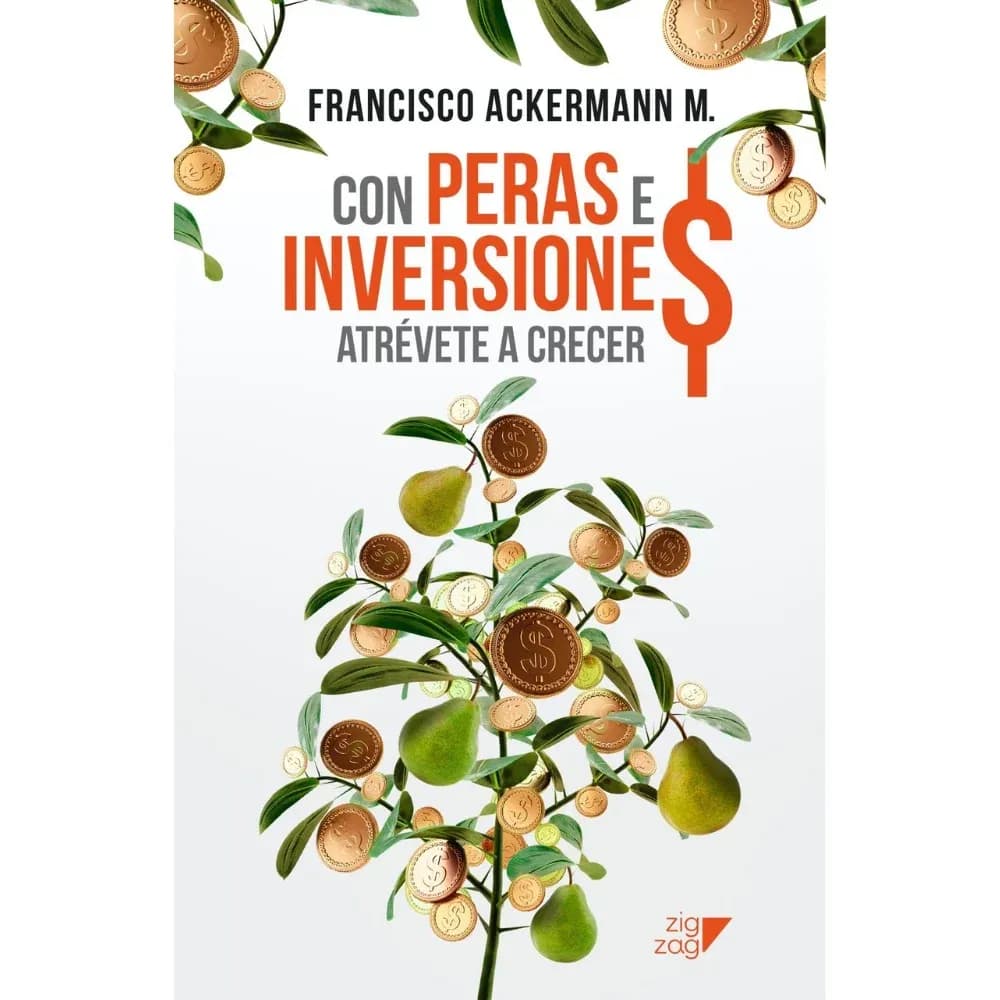
  • Cover of the book Con Peras e Inversione$ by Francisco Ackermann: a tree with pears and coins hanging from its branches
    Books

    Con Peras e Inversione$

    Website

    Francisco Ackermann2024Spanish

    • investing
    • stocks
    • cryptocurrency
    • crowdfunding

    Con Peras e Inversione$ is a book about moving from saving to investing, told through the experience of investors who have already made that journey 🍐📈


    It is the second book by Francisco Ackermann, creator of the Con Peras y Finanzas podcast, published by Editorial Zig-Zag in 2024 with the subtitle Atrévete a crecer (Dare to grow). It picks up where his first book, Con Peras y Finanza$, left off: if you already track your income and expenses, have managed to save and have cut back on the small everyday expenses known in Chile as gastos hormiga, the next step is to invest. It is also available as an ebook.


    What sets it apart is its format: rather than a technical manual, it is a series of interviews with eight investors, including Sergio Tricio, Álvaro López and Tomás Claro, who share how they manage their money, what worked for them and where they went wrong. After each conversation, Francisco adds his own explanations and advice. The underlying message is that saving alone is not enough and that there is no such thing as a guaranteed return: you have to study and choose a path that fits your own interests.


    Con Peras e Inversione$ covers topics such as:

    • Why saving alone falls short against inflation
    • Stocks and mutual funds
    • Crypto and blockchain
    • Real estate investing
    • Crowdfunding, entrepreneurship and investing in startups
    • How to assess your financial health before investing


    The book answers questions like:

    • I've managed to save, so why isn't that enough?
    • How do I choose what to invest in based on my interests and goals?
    • What have other investors learned from their wins and their mistakes?
    • What should I understand before buying crypto?
    • Is there such a thing as an investment with a guaranteed return?
    • What are the key factors in a real estate investment?


    Keep in mind it is in Spanish and focused on Chile, that the interviewees share personal experiences and opinions, that the book dates from 2024, and that some options, such as crypto, crowdfunding or startups, carry high risk. It's an introductory book that gives an overview of each option rather than its technical details. It's informational content, not investment advice.


    👉 Ideal for anyone who has already organized their finances and built some savings, and wants to explore different ways of investing alongside people who already do it.

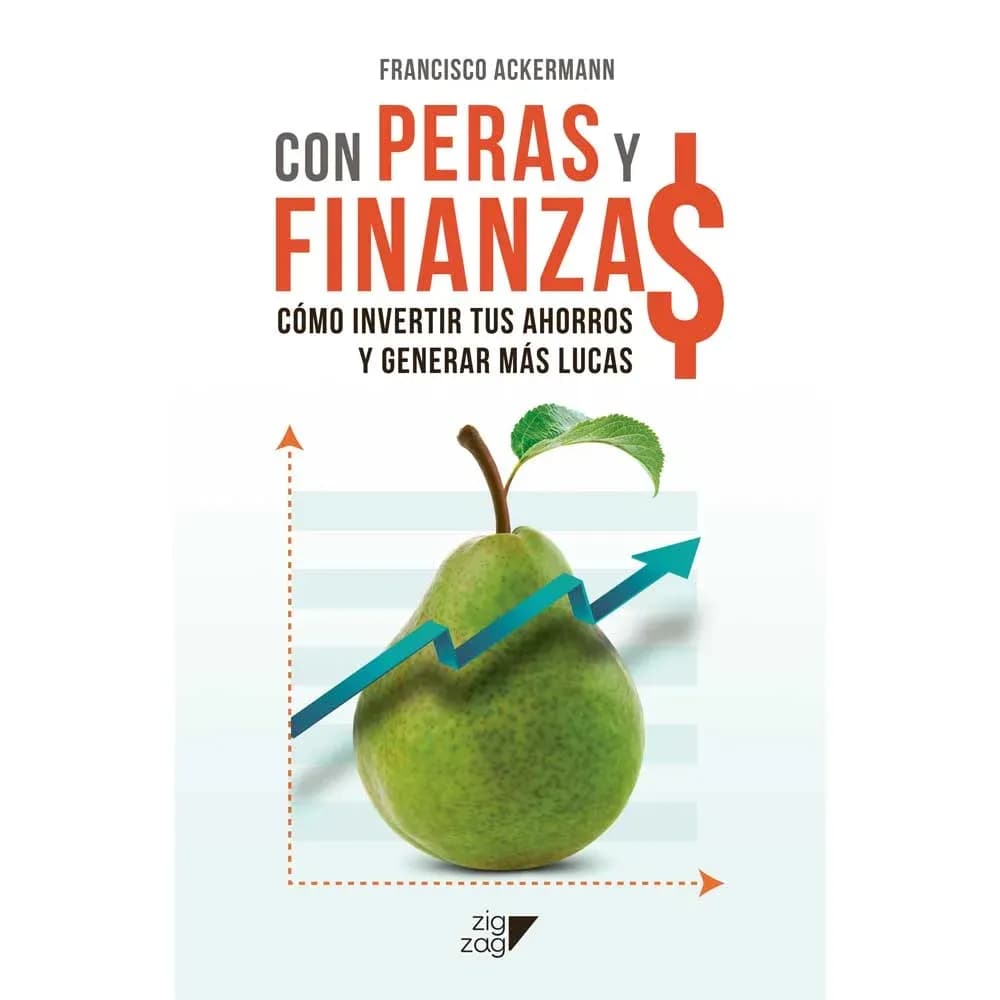
  • Cover of the book Con Peras y Finanza$ by Francisco Ackermann: a green pear over a chart with a rising arrow
    Books

    Con Peras y Finanza$

    Website

    Francisco Ackermann2023Spanish

    • financial education
    • saving
    • investing
    • risk and return

    Con Peras y Finanza$ is a financial education book about getting your money in order, starting to save and taking your first steps into investing 🍐💰


    It was written by Francisco Ackermann, a business engineer with a master's in Innovation and Entrepreneurship from Universidad Adolfo Ibáñez, creator of the Con Peras y Finanzas podcast and one of the best-known personal finance educators in Chile. It is his first book: published by Editorial Zig-Zag in 2023, it became a bestseller and has sold more than 10,000 copies in Chile. Its subtitle is Cómo invertir tus ahorros y generar más lucas (roughly, how to invest your savings and make more money), and it is also available as an ebook.


    It starts from the author's own story, going from overspending and debt to saving and investing, and calls for a change in mindset before getting into the numbers. It then walks through the main investment instruments in everyday language, with the risk level of each, and closes with seven investing keys and a glossary. The idea is to make personal finance accessible to anyone, whatever their budget, without jargon.


    Con Peras y Finanza$ covers topics such as:

    • The change in mindset needed to get your personal finances in order
    • Knowing yourself before investing: goals and risk profile
    • Time deposits, mutual funds, stocks and ETFs
    • Higher-risk options: trading, crypto and crowdfunding
    • Real estate investing
    • Why taxes matter when you invest


    The book answers questions like:

    • Why doesn't my salary stretch far enough to save?
    • What kind of investor am I, and how much risk can I take?
    • What's the difference between a time deposit, a mutual fund, a stock and an ETF?
    • Where do I start investing if I don't have much money?
    • Why should I think about taxes when I invest?


    Keep in mind it is in Spanish and is an introductory book, written in 2023 with examples from the Chilean market: rates, products and tax rules may have changed since then, and options such as trading or crypto carry high risk. It's informational content, not investment advice.


    👉 Ideal for anyone who feels their salary never stretches far enough and wants a simple, Chile-focused first book to get their finances in order and understand how to invest.

  • Cover of Betterplan's Millions: El arte de invertir podcast, with the logo on a blue background and its hosts Matías del Río and José Tomás Valente
    Podcasts

    Millions: El arte de invertir

    Spotify

    Matías del Río and José Tomás ValenteSpanish

    • investing
    • wealth management
    • financial crisis
    • AFP

    Millions: El arte de invertir is a podcast of in-depth conversations with the people who make the big calls in Chile's financial market 🎙️📈


    It is produced by Betterplan, a Chilean financial advisory firm, and hosted by journalist Matías del Río and José Tomás Valente, Betterplan's co-founder and CEO. It premiered in 2025 and is now in its third season: each episode is a conversation of about an hour with partners, executives and portfolio managers from Chile's best-known financial firms, as well as former Central Bank governors, current and former ministers, and leaders of pension fund managers (AFPs), banks and family offices.


    It isn't a course or a tutorial: it is a window into how people who manage billions think. Every episode follows the same four blocks: past, present, future and a “penalty shootout” of rapid-fire questions. Along the way it covers careers, crises weathered, mistakes owned in the first person and unpopular decisions. Guests have included José De Gregorio, Rodrigo Vergara, Andrés Velasco, Paulina Yazigi, Matías Claro and Raúl Sotomayor, among others.


    Millions covers topics such as:

    • How decisions get made when you invest other people's money
    • Financial crises and their lessons: the 1980s, the Asian crisis and 2008
    • Chile's capital market and the cases that rewrote its rules, such as Chispas, La Polar and Cascadas
    • Pensions, AFPs and Chile's pension reform
    • The Central Bank, inflation and economic growth
    • Private equity, family offices, real estate investing and artificial intelligence


    The podcast answers questions like:

    • How do great investors recognize a good opportunity?
    • Where do Chileans go wrong most often when they invest?
    • Why can abandoning your plan in the middle of a crisis cost so much?
    • What do families that manage to preserve their wealth do differently?
    • What happens inside the Central Bank when markets panic?


    Keep in mind that it is produced by a firm that offers investment advice and that each guest's opinions are their own: no conversation is a recommendation for your situation. It helps you understand how decision-makers think, not copy their bets. It also isn't a podcast for absolute beginners: these are long conversations in Spanish, using the financial market's own vocabulary.


    👉 Ideal for people who already invest and want to understand how the key players in Chile's financial market think.

  • Cover of Neat's podcast Cuentas Claras: a three-dimensional blue and pink peso sign on a light blue background
    Podcasts

    Cuentas Claras

    YouTube33K subscribers

    Nicolás Chacón and Ignacio ReyesSpanish

    • financial education
    • entrepreneurship
    • debt
    • investing

    Cuentas Claras is Neat's personal finance podcast, where entrepreneurs and experts share what they got right with their money, where they went wrong and what they learned 🧠⚡


    It is hosted by Nicolás Chacón, CEO of Neat, and Ignacio Reyes, a journalist. It is a podcast by Neat, a Chilean fintech for paying and managing bills, with episodes since 2025 and a new one every two weeks on YouTube and Spotify.


    Its hallmark is learning from other people's stumbles: each guest goes over their mistakes, their shortcuts and what they would do differently if they were starting today, in plain words and with no fine print. It mixes personal finance, entrepreneurship and personal development.


    Cuentas Claras covers topics such as:

    • Getting out of debt and off DICOM, Chile's delinquent-debtor registry
    • Starting a business, going broke and starting again
    • How to spot investment fraud
    • Real estate investing
    • Choosing a bank and negotiating better
    • Money in relationships and compulsive spending


    The podcast answers questions such as:

    • How do you get off DICOM?
    • How do you spot an investment scam?
    • Can you live off rental income?
    • What mistakes do we make when choosing a bank?
    • How do you talk about money without ruining your relationship?


    Keep in mind that the podcast is in Spanish and focuses on the Chilean context, that it is produced by a fintech that also uses it to promote its brand, and that guests share personal experiences and opinions, sometimes about their own businesses. It is informational content, not investment advice.


    👉 A good fit for anyone who wants to learn about personal finance and entrepreneurship through real stories from Chile.

  • Logo of Renta 4 Chile, the brokerage that produces the Cara a cara podcast
    Podcasts

    Cara a cara

    YouTube

    Gabriela Villalobos and Sebastián AguirreSpanish

    • investing
    • financial news
    • santiago stock exchange
    • taxes

    Cara a cara is Renta 4 Chile's podcast, with interviews with experts and analysts about what is moving the market 🎙️📊


    It is hosted by Gabriela Villalobos and Sebastián Aguirre, who talk with a different guest in each episode. It is a podcast by the brokerage Renta 4 Corredores de Bolsa, with its first episodes released in 2026.


    Its focus is what is happening in the Chilean market: reforms, tax changes and global trends explained by people who follow them closely. Its first guests include Juan Carlos Ureta and Guillermo Araya, head of research at Renta 4.


    Cara a cara covers topics such as:

    • The Chilean stock market and capital markets
    • Chile's capital markets reform (MK4)
    • Tax changes for stock investors (article 107 of Chile's income tax law)
    • Artificial intelligence and the risk of a bubble
    • Investment and growth in Chile
    • Analysts' views on global markets


    The podcast answers questions such as:

    • Is there a bubble in artificial intelligence?
    • What changes from 2027 in the tax on stock gains in Chile?
    • What is the tax benefit under article 107 of Chile's income tax law?
    • What does the MK4 capital markets reform propose?
    • Why do capital markets matter for a country's development?


    Keep in mind that the podcast is in Spanish and focuses on the Chilean context, and that it is produced by a brokerage: the guests include the firm's own executives and some episodes discuss specific stocks from its point of view. Treat it as the opinion of a market participant. It is informational content, not investment advice.


    👉 A good fit for anyone who wants to understand what is happening in the Chilean stock market and the tax changes that affect it.

  • Artwork for the Netflix series How to Get Rich: Ramit Sethi walks in the foreground, with scenes of his conversations with participants behind him
    Series

    How to Get Rich

    Netflix

    Ramit SethiEnglish

    • movies with a lesson
    • financial education
    • debt
    • financial goals

    How to Get Rich is a Netflix documentary series in which Ramit Sethi helps real people get their money in order and move closer to the life they want 🎬💵


    It premiered in 2023 and has one season of 8 episodes; in Latin America it is titled Cómo hacerse ricos. It is hosted by Ramit Sethi, author of the book I Will Teach You To Be Rich and host of the podcast Money For Couples.


    What sets it apart is that it works with real cases: Sethi follows individuals and couples across the United States as they face their finances. The cases range from credit card debt to buying a house, saving for retirement and even multi-level marketing.


    How to Get Rich covers topics such as:

    • Credit card debt
    • Buying a home
    • Saving for retirement
    • Multi-level marketing
    • The emotional relationship with money
    • What a "Rich Life" means for each person


    The series answers questions such as:

    • Why does money weigh so heavily on our decisions?
    • How do you tackle credit card debt?
    • What should you look at before buying a house?
    • How do you start saving for retirement?
    • What is a rich life beyond the bank balance?


    Keep in mind that the series is set in the United States: the products, taxes, retirement accounts and dollar amounts belong to that country. The title is not a promise: it shows a process of getting organized and building habits, not a quick way to make money. It is a resource for understanding concepts, not investment advice.


    👉 A good fit for anyone who wants to see, through real cases, what changes when a person gets their money in order.

  • Portrait of Ramit Sethi, creator of the I Will Teach You To Be Rich channel
    Podcasts

    I Will Teach You To Be Rich

    YouTube1.1M subscribers

    Ramit SethiEnglish

    • financial education
    • investing
    • financial goals
    • smart spending

    I Will Teach You To Be Rich is Ramit Sethi's YouTube channel about personal finance and how to design your own "Rich Life" 🎥💸


    It is created by Ramit Sethi, author of the books I Will Teach You To Be Rich and Money For Couples and host of the Netflix series How to Get Rich. The channel has been around since 2007 and has more than a million subscribers and close to 1,900 videos, including the episodes of his podcast Money For Couples.


    His philosophy fits in one sentence: spend extravagantly on the things you love and cut costs mercilessly on the things you don't. The channel alternates podcast episodes with his own videos: systems for organizing your money, reactions to financial advice and breakdowns of big decisions, such as buying a car or choosing between investing and paying off debt.


    I Will Teach You To Be Rich covers topics such as:

    • How to set up a simple system to manage your money
    • Investing versus paying off debt
    • Buying a car and other big expenses
    • Spending psychology and money habits
    • Money in relationships
    • Financial advice that has gone out of date


    The channel answers questions such as:

    • Should you invest or pay off debt first?
    • Why do smart people buy cars they can't afford?
    • How do you stop having the same money fight over and over?
    • Which habits help you feel calm about money?
    • Why does money still feel hard even when you are doing everything right?


    Keep in mind that the examples come from the United States: taxes, retirement accounts, loans and dollar amounts do not translate directly to Chile or other countries. Ramit Sethi also sells his own books and programs. It is informational content, not investment advice.


    👉 A good fit for anyone who wants to get their finances in order without counting every penny.

  • Cover of the Money For Couples podcast: Ramit Sethi sits listening to a couple seen from behind, with the title in yellow letters
    Podcasts

    Money For Couples

    YouTube

    Ramit SethiEnglish

    • financial education
    • couple savings
    • debt
    • budgeting

    Money For Couples is a podcast where real couples talk openly about their money, their debts and the life they want to build 💬💰


    It is hosted by Ramit Sethi, author of the books I Will Teach You To Be Rich and Money For Couples and host of the Netflix series How to Get Rich. The podcast has been running since 2021, with a new episode every week and more than 280 episodes.


    What sets it apart is that every episode is a real conversation with a couple, with their numbers on the table: income, debts, spending and the friction money creates. It is less about spreadsheets and more about money psychology: guilt, resentment, fear and how to build a shared vision.


    Money For Couples covers topics such as:

    • How to talk about money as a couple
    • Debt and spending that outpaces income
    • Unequal incomes and sharing responsibilities
    • Spending on what matters and cutting back on the rest
    • Retirement savings and shared goals
    • Hidden debt and trust


    The podcast answers questions such as:

    • What do we do if we spend more than we earn?
    • Why are we still living month to month on a good income?
    • How do we share the finances when one of us carries it all?
    • What happens when one partner wants to retire and the other is scared?
    • How do you rebuild trust after hidden debt?


    Keep in mind that the cases come from the United States: taxes, retirement accounts, loans and dollar amounts do not translate directly to Chile or other countries. Ramit Sethi also sells his own books and programs. It is informational content, not investment advice.


    👉 A good fit for couples who want to stop fighting about money and learn to decide together.

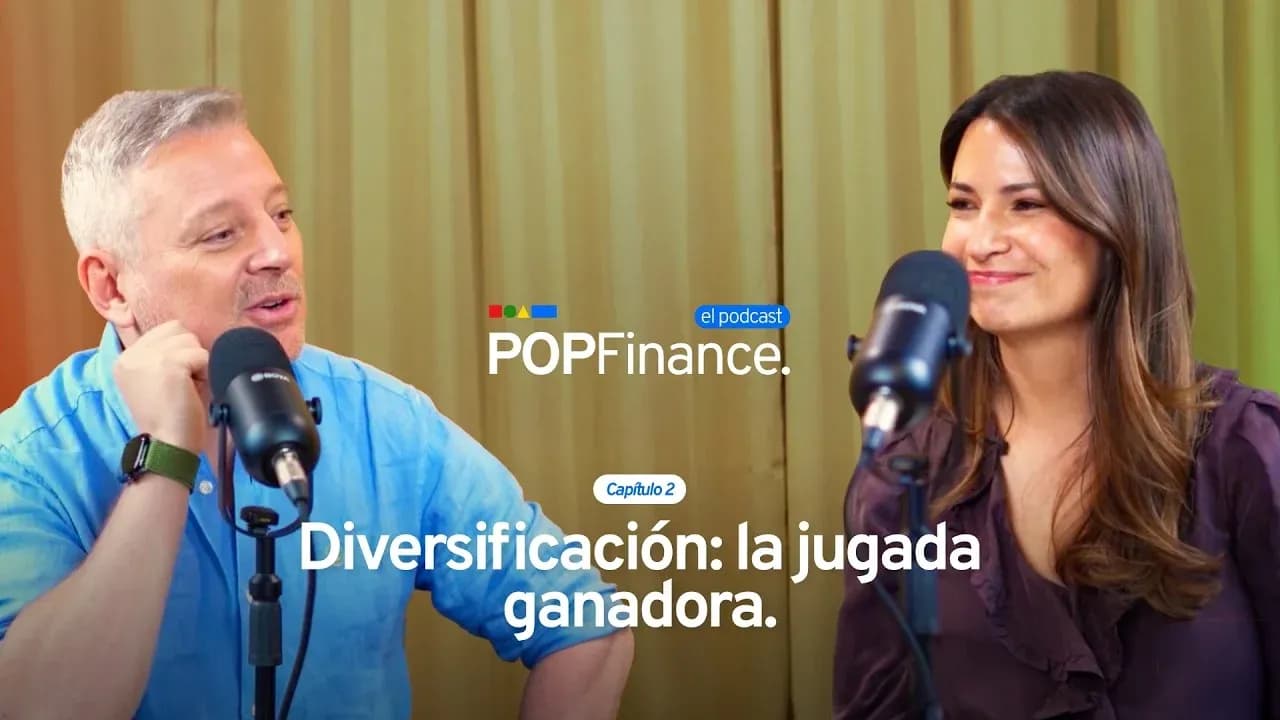
  • Juan Manuel Astorga talks with a guest at the microphones, with the logo of POPFinance, Bci's podcast, in the center
    Podcasts

    PopFinance

    YouTube

    Juan Manuel AstorgaSpanish

    • financial education
    • investing
    • financial news
    • diversification

    PopFinance is Bci's podcast that explains the economy and investing in plain language 🎧📈


    It is hosted by journalist Juan Manuel Astorga, who talks in each episode with a specialist from the bank, such as its chief economist or executives from its investment area. It is a Banco Bci podcast, launched in 2026, with a new episode roughly once a month.


    Its hallmark is starting from current events (inflation, the dollar, interest rates, geopolitical conflicts) and translating them into what they mean for your savings and investments, using analogies from sports, music and everyday life.


    PopFinance covers topics such as:

    • Inflation and how to protect your purchasing power
    • Diversification and portfolio building
    • The dollar, the UF and stocks
    • The Chilean stock market
    • Saving, holiday bonuses and financial goals
    • Artificial intelligence in investment decisions


    The podcast answers questions such as:

    • Is it a good time to invest in Chile?
    • What should you do with your money when inflation rises?
    • Dollars, UF or stocks? How do you combine your investments?
    • Should you trust AI with your investment decisions?
    • How do you go from a piggy bank to investing your savings?


    Keep in mind that the podcast is in Spanish and focuses on the Chilean context, and that it is produced by a bank: the guests are Bci executives and the episodes mention the bank's own investment products. It is informational content, not investment advice.


    👉 A good fit for anyone who wants to understand Chile's economic news and what it means for their savings, in easy-to-follow episodes.

  • Cover of the Radio Pauta podcast Con mi plata Sí, with Gabriela Villalobos and Francisco Ackermann: a hand drops a coin into a white piggy bank on a green background
    Podcasts

    Con mi plata Sí

    YouTube

    Francisco Ackermann and Gabriela VillalobosSpanish

    • financial education
    • saving
    • investing
    • budgeting

    Con mi plata Sí is a Chilean podcast on personal finance, explained simply, to help you look after your money and make it grow 💰🎙️


    It is hosted by Francisco Ackermann, creator of the podcast Aprende de Inversión Inmobiliaria, and Gabriela Villalobos, a journalist and host at Radio Pauta. It is an original Radio Pauta podcast, presented by Banco Consorcio and AFP Habitat, with one season of 12 episodes released in 2024.


    Each episode takes an everyday question and makes it practical, from getting your paycheck in order to taking your first steps as an investor. It is a short, complete series that is easy to follow from start to finish.


    Con mi plata Sí covers topics such as:

    • Managing your paycheck and budgeting
    • Saving and investing small amounts regularly
    • Using credit cards well
    • How to start investing with small sums
    • Real estate investing
    • The dollar, economic indicators and taxes (Chile's annual tax filing)


    The podcast answers questions such as:

    • Do you manage your paycheck, or does it manage you?
    • How do you save and invest your first million pesos?
    • How do you use credit cards well?
    • Why does the dollar go up and down, and what should I do with my savings?
    • What should you look at when investing in real estate?


    Keep in mind that the podcast is in Spanish and focuses on the Chilean context, that it is presented by a bank and a pension fund manager, and that the episodes date from 2024, so figures, rates and examples may be out of date. It is informational content, not investment advice.


    👉 A good fit for anyone who wants to get their finances in order and start investing from scratch, with examples from everyday life in Chile.

Subscribe to Our Newsletter

Get news, updates, and exclusive launches delivered straight to your inbox. Stay informed with exclusive personal finance content.